
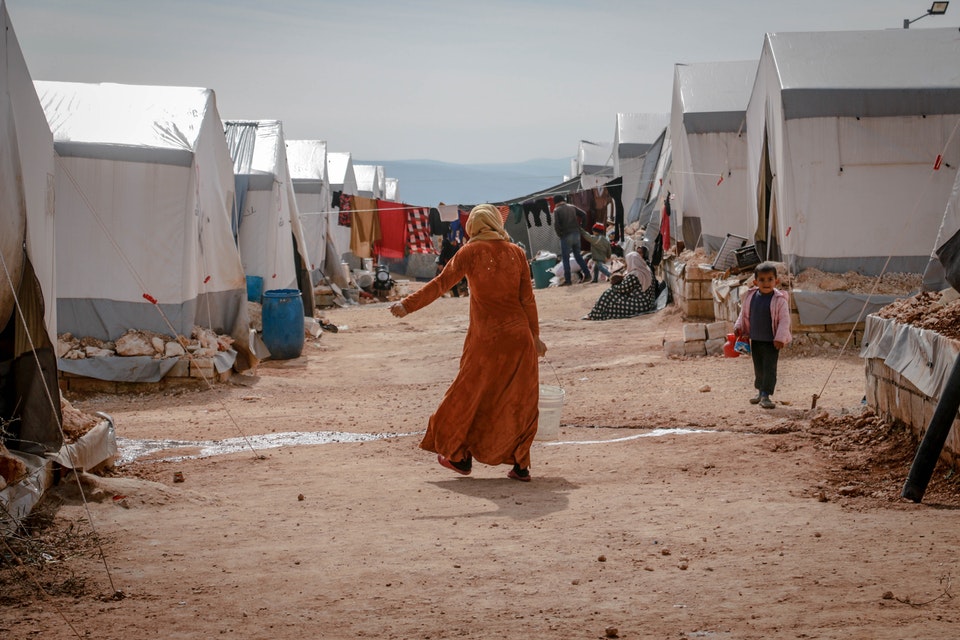
With growing political, social, and cultural upheaval, including more recent struggles due to COVID-19, refugees are facing more challenges than ever – especially women and young girls. Here’s everything you need to know about female refugees and the challenges they currently face.
According to a 2020 report by the United Nations Refugee Agency, the number of forcibly displaced people around the world has doubled within the past decade. In mid-2020, these numbers were estimated to pass 80 million. Female refugees face distinct challenges both in their home countries and at refugee camps.
Statistics on Female Refugees
The United Nations High Commission for Refugees (UNHCR) reports that of the 79.5 million people forced into displacement, over half are women and girls. Furthermore, these high quantities of women and girls are evidently left out of policymaking, and disproportionately face growing levels of poverty and oppression. Furthermore, sexual and gender-based violence are growing concerns for female refugees. It is estimated that 1 in 5 female refugees experience sexual violence as a result of being marginalized and displaced. Another vulnerability many younger girls face as refugees concerns violently high child marriage rates. It is estimated that 9 out of 10 countries with the highest rates of child marriage have historically ingrained gender norms to pressure young girls into potentially abusive situations. Female refugees face a plethora of dangerous concerns and activities against them, especially as they try to flee conflict. However, this violence may also follow them in camps, where many women and girls are kidnapped, trafficked, or forced into marriage. The United Nations has made recent reports in regards to their collaborative efforts on countering sexual exploitation and abuse. However, these aforementioned areas and more still need to see significant developments in protecting the lives of refugee women and girls globally.
Common Grounds for Asylum/Refugee Status
Asylum and refugee status are special legal protections offered to those who have fled their home country due to safety concerns and fear of returning to any place within their home country. Under U.S. immigration law, people have the opportunity to apply for refugee status, which is typically accomplished through the U.N. High Commission for Refugees.
Annual limits are placed on the number of total approvals given, though this number may fluctuate depending on the federal administration. Refugees who have made it to the United States – whether they arrive at a port of entry or if they already reside in the US – are able to apply for asylum status. If approved, both refugee and asylum statuses allow them to remain in the United States indefinitely. There are a few strict requirements that must be met in order to qualify for asylum or refugee status. Two things that must be proven are:
- A person is unable or unwilling to return to their home country due to well-founded fear of persecution on one or several grounds (such as race, gender, or religion)
- A person has been persecuted in their home country or fears being persecuted if they return
Related: Seeking Asylum Based on Domestic Violence
Protecting Migrants from Sex and Gender-Based Violence in Camps
Female refugees across the world are highly vulnerable to sex and gender-based violence in camps. The brutalization of women is a disturbingly high and persistent trend. In many refugee camp situations, traditional expectations of human decency and restraints on activities are close to non-existent. This is clearly demonstrated in the high circumstances that female refugees may be raped, punished, sexually assaulted, exploited, or forcibly married off within internment camps.
Joint efforts by the UNHCR and international NGOs have made strides towards protecting migrants from these violent crises in camps. For example, these groups have upheld that states must take specific measures to reduce girls’ vulnerability to trafficking, through means such as creating a protective environment for them. Other methods of protection by the states include relying on international legal instruments, policy documents, and UN recommendations when dealing with specific legal obligations. Furthermore, host states of refugee camps are responsible for ensuring that as many refugee girls as possible possess relevant legal documentation and access to information in a language she understands.
Related: Refugee Protection Act of 2019: What You Need to Know
FAQs About Female Refugees
How long does the asylum process take?
According to U.S. Citizenship and Immigration Services (USCIS), a decision on an asylum application should be made within 180 days after the date the application was filed. There may be exceptional circumstances to this time frame, as well as more details on the step-by-step asylum process which may be viewed on the Affirmative Asylum Process page on the USCIS website.
Can a minor apply for asylum?
Yes, a minor may apply for asylum. Both unaccompanied minors and minors accompanied by a parent or legal guardian are able to apply. This type of case will usually be decided by asylum officers and may involve an interview process for cases involving a minor applicant.
How did COVID-19 impact asylum seekers and female refugees?
The COVID-19 pandemic had led to a reduction in the number of new asylum seekers, as a result of movement restrictions and border closures. Furthermore, refugees had borne a large brunt of the impact on health and economic insecurity after the pandemic, where their health was even more at risk due to high population densities in camps, and many people being pushed into poverty.
Contact Us
If you or a loved one is seeking refugee or asylee status, contact us. Get your free consultation with one of our experienced attorneys today!