
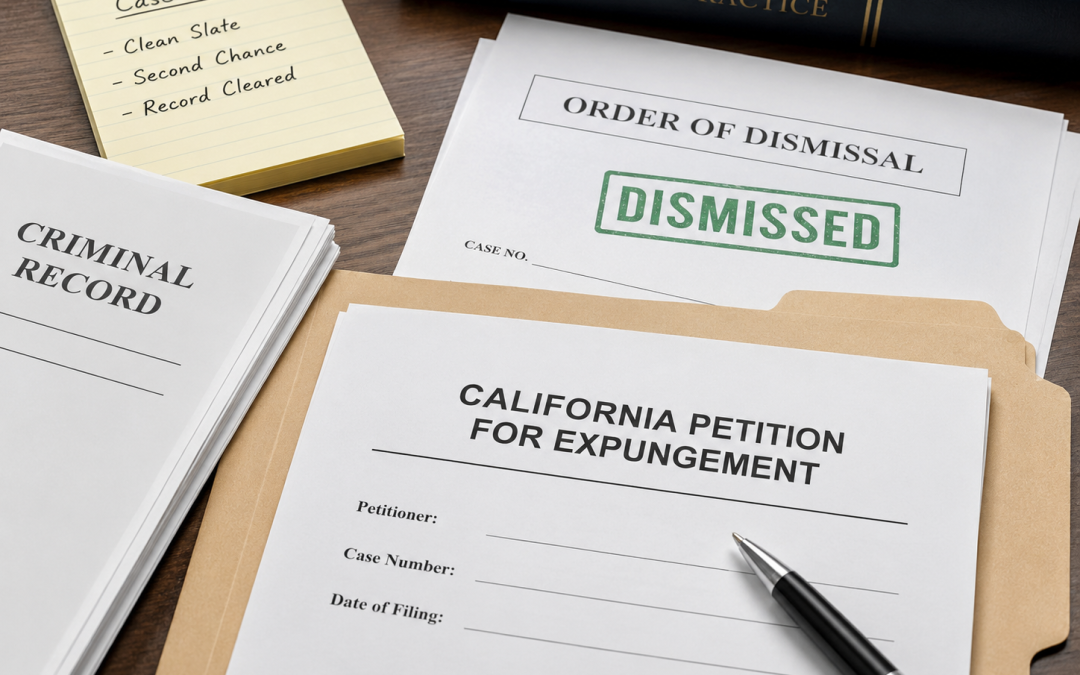
California expungement allows some people to reduce the impact of a criminal conviction. In California, this process usually means petitioning the court to dismiss the conviction after sentencing, probation, or another required waiting period.
Expungement does not erase every record. However, a dismissal can help with employment, housing, licensing, and other background-check concerns.
What Is Expungement in California?
California does not use “expungement” in the same way some states do. Adult conviction relief usually means the court sets aside a guilty plea, no-contest plea, or guilty verdict and dismisses the case.
The main statute is Penal Code Section 1203.4. This law may allow a person who received probation to ask the court for dismissal after completing probation or receiving early termination.
A dismissed conviction may still appear on some government records. The record should show the court dismissed the conviction after judgment rather than showing the case never happened.
Who May Qualify for California Expungement?
Eligibility depends on the conviction, sentence, probation history, and any new criminal matters.
A person may qualify if they:
- Completed probation or received early termination
- Paid required fines, fees, or restitution
- Completed jail time, classes, or community service
- Are not currently serving another sentence
- Are not on probation for another offense
- Are not charged with a new criminal case
If probation was completed successfully, the court generally must grant relief for eligible convictions. If probation was violated or not completed, the judge may still grant dismissal in the interests of justice.
Her Lawyer’s article on whether a domestic violence charge can be expunged in California explains how these rules may apply to a specific type of conviction.
Misdemeanor Expungement
Many misdemeanor convictions may qualify for dismissal. A person who received probation usually files under Penal Code Section 1203.4.
If the court did not order probation, Penal Code Section 1203.4a may apply. In that situation, the person generally must wait at least one year after judgment, complete the sentence, obey the law, and show relief would serve the interests of justice.
Common misdemeanor cases may include theft, DUI, drug possession, disorderly conduct, domestic battery, trespass, or certain driving-related offenses. Some offenses have special rules or limits.
Felony Expungement
Some felony convictions may also qualify. The correct process depends on whether the person received probation, served a county jail sentence, or served a state prison sentence.
A felony with probation may qualify under Penal Code Section 1203.4 after probation ends. If the conviction was a “wobbler,” the person may also request reduction to a misdemeanor under Penal Code Section 17(b).
For certain felony convictions involving a county jail or prison sentence, Penal Code Section 1203.41 may provide a path to dismissal after the person completes the sentence and meets the waiting-period requirements.
A felony dismissal does not automatically restore firearm rights. It also may not remove immigration, licensing, or registration consequences.
Automatic Record Relief
Some California records may receive automatic relief without a petition. The California Department of Justice explains that automatic record relief applies under Penal Code Sections 851.93 and 1203.425 when statutory criteria are met.
Automatic relief may apply to certain arrests and convictions after the Department of Justice reviews statewide criminal history records. When relief applies, the DOJ makes a notation showing the record received relief and notifies the superior court.
Automatic relief is helpful, but it does not cover every record. A person may still need to file a court petition if the case does not qualify automatically or if a specific court order is needed.
How to File for Expungement in California
California Courts provides record-cleaning information and forms for people seeking dismissal. The main form is Petition for Dismissal, Form CR-180. The judge signs Order for Dismissal, Form CR-181 if the court grants relief.
The process usually includes:
- Get the case number, conviction date, charge, sentence, and probation history.
- Confirm which statute applies.
- Complete Form CR-180.
- Prepare Form CR-181.
- File the forms in the court that handled the conviction.
- Serve or notify the prosecutor if required.
- Attend a hearing if the court schedules one.
County procedures may vary. Some courts require local forms, filing fees, proof of service, or a hearing.
What Expungement Can and Cannot Do
A California dismissal can reduce the effect of a conviction. For many private employment situations, the person may be able to answer that they do not have a conviction for the dismissed case, subject to exceptions.
However, expungement has limits. It does not:
- Destroy all court or law enforcement records
- Restore firearm rights by itself
- End sex offender registration by itself
- Remove all immigration consequences
- Seal every record from government agencies
- Prevent use of the prior conviction in a later criminal case
- Remove DMV consequences in every driving-related case
Some government employers, licensing agencies, public office applications, law enforcement agencies, and immigration authorities may still see or require disclosure of the dismissed conviction.
Arrest Records With No Conviction
A person arrested but not convicted may need arrest-record sealing, not expungement. California Courts explains that an arrest with no conviction may qualify for relief under Penal Code Section 851.91.
This can apply when prosecutors never filed charges, the case was dismissed, the person was acquitted, or the conviction was vacated. Some arrest records may also qualify for automatic sealing under Penal Code Section 851.93.
The right option depends on whether the case ended with a conviction.
FAQs About California Expungement
Does California expungement erase a conviction?
No. California expungement usually dismisses the conviction after judgment. The record may still exist, but it should show the conviction was dismissed.
How long does expungement take?
The timeline depends on the county, court workload, prosecutor response, and whether a hearing is required. Some cases move quickly, while others take several months.
Can a felony be expunged in California?
Some felony convictions may qualify for dismissal. Eligibility depends on the sentence, probation history, offense type, and whether a felony reduction or other petition is available.
Is automatic record relief the same as expungement?
Not always. Automatic relief may update certain records without a petition, but it does not cover every case. A court petition may still be necessary.
Get Help With California Expungement
California expungement can help reduce the impact of a criminal record, but the correct path depends on the conviction, sentence, probation history, and long-term consequences.
Her Lawyer’s California criminal defense attorneys assist with post-conviction relief, record dismissal, and related criminal matters. Contact Her Lawyer to discuss a California expungement matter.