
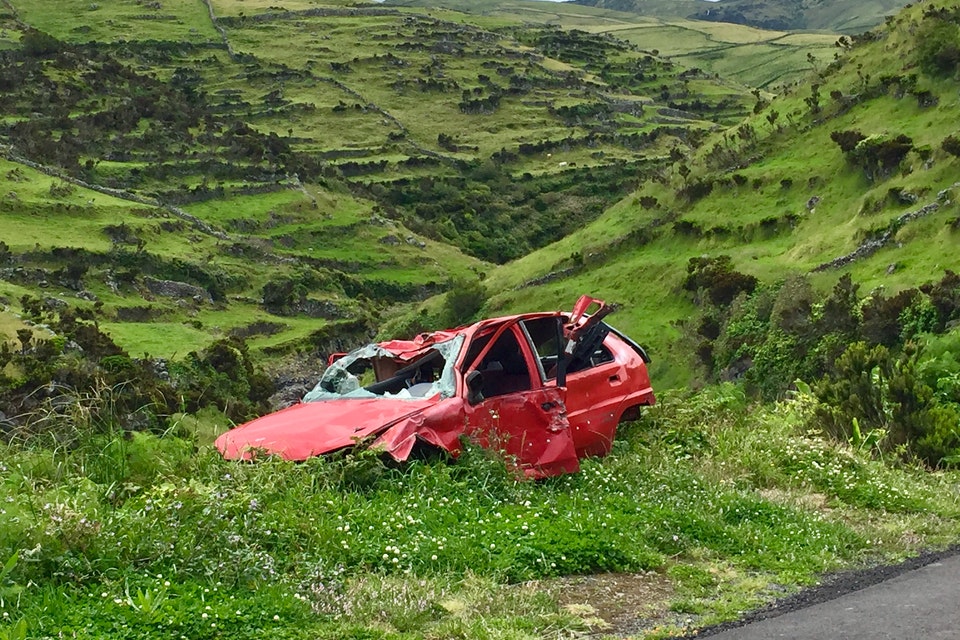
Freeway accidents can cause personal injuries and motor vehicle injuries. Here’s everything you need to know about how to sue for a freeway accident.
Suing after a freeway accident is not necessary in most cases. In most cases, the matter can be settled between insurance companies. However if one decides to go ahead and take legal action, here is some important information.
Why Should I Sue for a Freeway Accident?
Suing after a freeway accident might not be necessary. If no one was hurt and both drivers had auto insurance, there is no need to sue if the other driver’s insurance is reimbursing your repairs. In this case, it is best to file a claim with the insurance company.
However, if one’s insurance claim is denied, one was offered a low settlement, or the insurance company refuses to negotiate with them, a lawsuit might be necessary.
The insurance company should reimburse the cost of any medical bills or repair costs for the vehicle. The insurance company is responsible for covering the cost of any caused pain and suffering in the presence of physical injury.
One could sue another driver without auto insurance. However, there might not be a point. Drivers without auto insurance typically do not have many assets, meaning there is no monetary gain if one wins the lawsuit. One’s insurance company might be able to help in this situation.
Related: What Can You Sue for in a Car Accident Lawsuit?
When Should I Sue?
One should also be mindful of the statute of limitation on freeway accidents in their state. The law varies from state to state but one typically has between 1 to 6 years to sue for damages. Once the statute of limitations expires in their state of residence, they will not be able to pursue a case.
Who Should I Sue?
When suing after a freeway accident, one would be suing the other driver in the accident. Their insurance company is responsible for paying the settlement reached.
However, some states have optional no-fault policies. No-fault policies give drivers the option to use their own insurance to pay for medical bills, regardless of whose fault the accident was. Drivers do not have to use the no-fault policy if they do not wish to, but it may be beneficial to know if one’s state has this rule.
Suing someone other than the driver of the other vehicle might be a possibility. The owner of the car or the employer of the driver can be sued. Both of these situations would require proof of the fault of the owner or employer in the accident. For example, the owner of a car might have let an intoxicated friend drive their car. Perhaps, an employer did not properly train their employee, causing them to get into a freeway accident.
Related: Types of Damages in a Personal Injury Lawsuit
FAQs about Suing After a Freeway Accident
How do I know whose fault an accident was?
In some cases, the driver who is at fault will be exceedingly obvious. In other cases, the driver who is at fault for the accident may not be immediately obvious, which makes preserving any evidence to help determine fault more important. Police and eyewitness reports alongside photographs and videos could help prove fault in court. All medical and repair bills to show the cost any injuries suffered should be saved.
Do I need an attorney?
If one chooses to take legal action, an attorney might prove to be useful. An attorney can help reach a fair settlement.
Contact Us
If you or a loved one would like to learn more about how to sue for a freeway accident, get your free consultation with one of our personal injury attorneys in California today!