
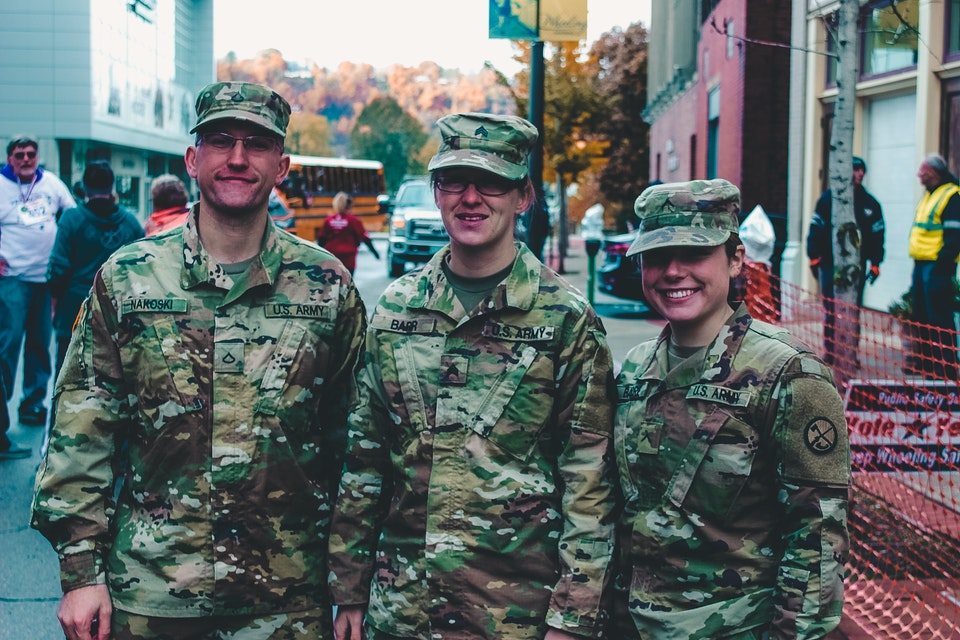
Sexual harassment can happen to anyone at any time. Here’s everything you need to know about sexual harassment in the military.
Sexual harassment is when an individual is subjected to unwanted sexual advances, requests, messages, or verbal interactions. In 2019, 1,021 formal sexual harassment claims were filed, a 10% increase from the previous year.
What is Sexual Harassment?
Sexual harassment is harassment due to an individual’s sex or gender. Sexual harassment includes unwelcome sexual advances, requests for sexual favors, as well as unwanted verbal or physical harassment.
Sexual Harassment Military Statistics
In 2016 there were 6,172 reports of sexual assaults. Of those 6,172, 5,350 were reports about other service members. Based on a survey, 14,900 servicemen experienced sexual harassment in 2016.
There were 6,769 reports of sexual assault in 2017. Of those 6,769, 5,864 of these individuals were to other service members.
In the year 2018, there were 7,623 reports of sexual assault. Within that, 7,623, 6,676 were reports of sexual assault from other service members. In 2018, there were 932 formal sexual harassment complaints. Lastly, in an anonymous survey, 12,927 service members reported experiencing sexual harassment in the past year.
In 2019 there were 7,825 reports of sexual assault, a slight increase from the previous year. The military received 1,021 formal sexual harassment claims. They received 5,699 anonymous reports.
Legal Recourse For Victims of Sexual Harassment in the Military
To report sexual harassment in the military, call the Safe Helpline at 877-995-5247. If you are in immediate danger, please contact 911.
Restricted Reporting
Restricted reporting is an option in which the military provides medical treatment, advocacy services, and legal support. This option triggers an investigation by a DOD law enforcement official.
Unrestricted Reporting
Unrestricted reporting allows you to receive legal advice from SVC and VLC services. It also provides medical and advocacy services. This option does not trigger an investigation.
Anonymous Reporting
Anonymous reporting allows an individual to report sexual harassment anonymously. If other individuals report the abuser, they will get the opportunity to engage in a restricted or unrestricted report to spark an investigation.
Related: How to Report Sexual Assault in the Military
Laws Protecting Active Members in the Military
There are a variety of laws that serve to protect active military members. Some of these include:
- The Servicemembers Civil Relief Act of 2003: This act provides financial assistance, most notably covers civil judicial proceedings.
- 10 U.S.C. Statute 1561: Explains the protocol for sexual harassment investigations by commanding officers.
- Uniform Code of Military Justice: This act states that individuals who are offenders of sexual assault are partaking in a criminal act and that they can be investigated.
Side Effects of Sexual Harassment
Some side effects of sexual harassment include PTSD, Depression, Anxiety, Social Disorders, Substance Abuse, Suicidal Behavior, or Self-Harm Behavior.
Previous Sexual Harassment Cases in the Military
Full Acquittal of Coast Guard Chief Petty Officer
A Coast Guard E-7 was accused of groping a female officer. This incident occurred at port calls in Dutch Harbor. Initially, the report was for fondling on two occasions but increased to 12-20 incidents. A Coast Guard E-7 was given a Drunkenness Charge under Article 134 of the Uniform Code of Military Justice. The defendant’s counsel questioned the female officer during the hearing, and eventually, the Coast Guard E-7 was found not guilty.
Navy O-6
A Senior Commanding Officer (O-6) was accused of sexual misconduct by a crew member. An investigation was done shortly after and closed. The CO was able to finish his tour.
Kayla Kight
In 2016, a second lieutenant allegedly sexually harassed Kayla Kight, a fellow servicemember. The second lieutenant allegedly attempted to kiss and fondle Kight while being driven home from the bar. According to her testimony, Kight gained control of the situation in about 30 seconds. She filed an unrestricted report and was moved from under the command of the lieutenant. An investigation started, but she felt pressure from her colleague to drop the case. Charges were eventually dropped.
The Tailhook Convention
In 1991, Paula Coughlin, a former navy lieutenant, sued for damages due to sexual harassment. She was one of 80 women who were harassed by naval and marine officers attending a Las Vegas convention. She sued the hotel for lack of security and won a $6.7 million settlement.
FAQ’s About Sexual Harassment in the Military
Can a Man be a Victim of Sexual Harassment?
Yes, anyone can be a victim of sexual harassment. Make sure to report sexual harassment to a supervisor in the military or the DOD Safe Helpline.
What’s the Difference Between Sexual Harassment and Sexual Assault?
The difference between sexual harassment and sexual assault is that sexual assault physical, while sexual harassment can take the form of gestures, words, or even symbols. Both sexual assault and harassment lack consent from an individual.
Related: Sexual Assault vs. Sexual Harassment in California
Does Sexual Harassment Have to be Sexual in Nature?
No, sexual harassment does not have to be sexual in nature. Harassment can also include offensive remarks about an individual’s sex or gender.
Contact Us
If you or a loved one has been sexually harassed in the military, contact us. We’ll get you in touch with the most qualified attorney for your unique legal matter. Get your free consultation with one of our Military Sexual Trauma Attorneys in California today!