
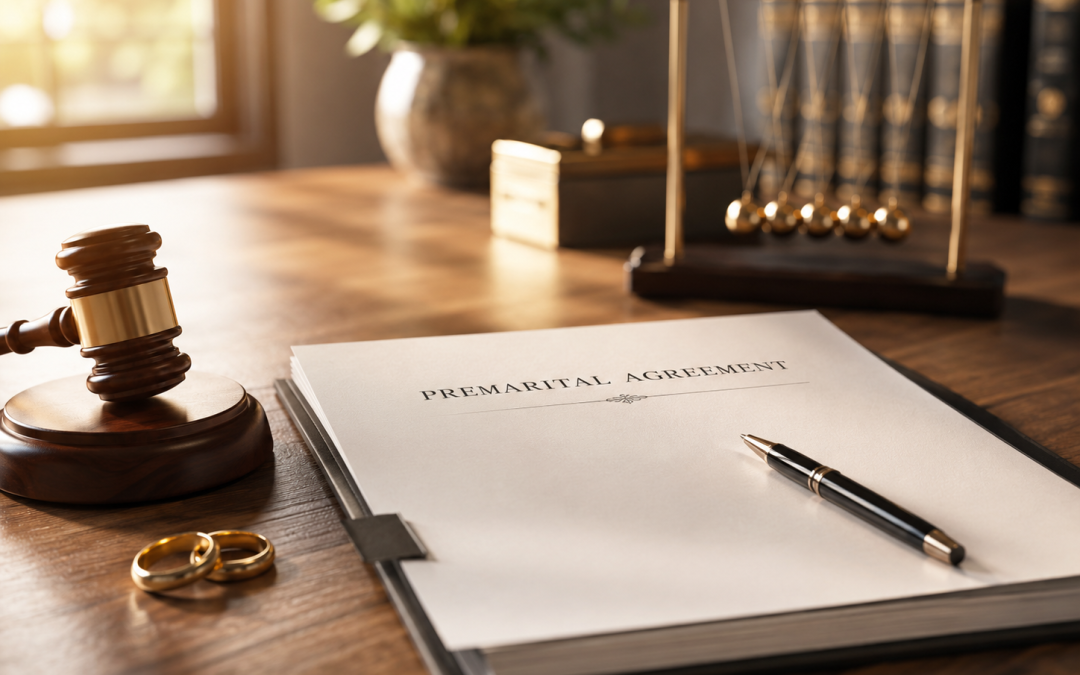
California Family Code Section 1615 explains when a premarital agreement may be unenforceable. A premarital agreement, often called a prenup, is a written contract signed before marriage.
A valid prenup can address property rights, debt responsibility, and some financial issues if the marriage later ends. However, California courts may refuse to enforce a premarital agreement if the signing process was unfair or if required financial disclosures were missing.
What Is a Premarital Agreement?
A premarital agreement is a contract between two people who plan to marry. It usually becomes effective when the marriage occurs.
In California, a prenup may address how spouses will treat property, income, debts, business interests, and certain financial rights. It can also help clarify what remains separate property and what becomes community property.
Her Lawyer’s guide on what to include in a California prenuptial agreement explains common terms couples may consider before signing.
When Can a California Prenup Become Unenforceable?
California Family Code Section 1615 provides the main rules for challenging a prenup. A court may refuse to enforce a premarital agreement if one party did not sign voluntarily.
A court may also refuse enforcement if the agreement was unconscionable when signed and the challenging spouse lacked proper financial disclosure. The analysis depends on the facts.
Under Family Code Section 1615, a spouse may challenge a prenup based on issues such as lack of voluntariness, missing disclosures, or unfair circumstances at the time of signing.
What Makes a Prenup Voluntary?
A voluntary agreement requires more than a signature. California courts may review whether each prospective spouse had enough time, information, and independence before signing.
A court may consider whether:
- Each party had independent legal counsel or knowingly waived that right.
- The final agreement was provided at least seven calendar days before signing.
- The agreement was explained in a language the party understood.
- The party understood the rights being changed or waived.
- No fraud, duress, undue influence, or lack of capacity affected the signing.
Timing matters. A prenup presented shortly before the wedding may raise concerns, especially if one person felt pressured to sign.
Why Financial Disclosure Matters
A California prenup may also fail when one spouse did not receive fair and reasonable disclosure of the other spouse’s property or financial obligations. A waiver of disclosure should be clear, voluntary, and in writing.
Disclosure may include assets, debts, income, business interests, real estate, retirement accounts, and expected financial obligations. A spouse with enough independent knowledge of the other spouse’s finances may face a harder challenge.
Couples should keep records of what was disclosed and when. Written schedules of assets and debts can help reduce later disputes.
Legal Counsel and Waivers
Independent legal counsel is important in California premarital agreements. A lawyer can explain the agreement, identify unfair terms, and confirm whether the signing process follows California law.
A prospective spouse may waive independent counsel in some situations. The waiver should be separate, written, and made after the person receives information about the agreement’s terms and effect.
Spousal support provisions require special care. A spousal support waiver may be unenforceable if the affected party lacked independent counsel when signing or if enforcement would be unconscionable.
What Cannot Be Controlled by a Prenup?
A premarital agreement cannot decide every future issue. California courts will not allow a prenup to harm a child’s right to support.
Child custody and parenting time also depend on the child’s best interests at the time of the dispute. A prenup cannot force a future custody result before the court reviews the child’s needs.
A prenup also cannot require illegal conduct or violate public policy. Unclear or extreme terms may invite a later challenge.
How to Protect a Prenup From Challenges
A careful process can make a prenup more likely to hold up in court. Couples should avoid rushing the agreement close to the wedding.
A stronger process may include:
- Starting negotiations early.
- Exchanging full financial disclosures.
- Using separate attorneys.
- Providing the final agreement at least seven days before signing.
- Translating the agreement when needed.
- Keeping written proof of disclosures and waivers.
Her Lawyer’s article on how to get a prenup in California explains the steps involved in creating an agreement. If a divorce later occurs, Her Lawyer also discusses how to enforce a prenuptial agreement in California.
FAQs About California Family Code Section 1615
Can a California prenup be challenged during divorce?
Yes. A spouse may challenge a prenup during divorce if there are concerns about voluntariness, disclosure, unconscionability, or other legal defects.
Does a prenup need to be fair?
A prenup does not need to give both spouses identical benefits. However, an unconscionable agreement may be unenforceable if California’s disclosure requirements were not met.
Does California require both spouses to have attorneys?
Not always. However, independent counsel can help show the agreement was voluntary. Some provisions, especially spousal support terms, may require counsel to be enforceable.
Can a prenup decide child custody?
No. California courts decide child custody based on the child’s best interests. A prenup cannot bind the court to a future custody arrangement.
Get Help Reviewing a California Prenup
A premarital agreement can affect property, support, and long-term financial rights. Careful drafting and proper disclosure can reduce the risk of future disputes.
Contact Her Lawyer to discuss a California premarital agreement, prenup review, or challenge under Family Code Section 1615.