
What You Need to Know About Police Misconduct Laws in California
In California, police misconduct policies and punishments are localized. Here’s everything you need to know about police misconduct laws in California.
California does not have statewide police misconduct laws in place. However, a law enforcement agency is obligated to investigate allegations of police misconduct thoroughly and fairly. If warranted, the law enforcement agency is required to institute disciplinary proceedings.
What is Police Misconduct?
Police misconduct is typically an illegal or unethical action by a police officer that violates a person’s state or constitutional rights. Police misconduct may also refer to when an officer commits an illegal act, such as abusing drugs or committing sexual assault.
Related: Police Sexual Misconduct in California
Types of Police Misconduct
Each California county, or local law enforcement agency, have their own rules and procedures regarding police misconduct. Here are some examples of common types of police misconduct.
Coerced confessions: An involuntary confession that comes from overbearing police conduct, rather than from a defendant’s free will.
False arrest: An arrest made without probable cause or a warrant.
False imprisonment: When a police officer intentionally restricts the movement of an individual within an area without legal authority, justification, or consent.
Falsification of evidence: Evidence that is illegally created for the purpose of persuading the outcome of a court case.
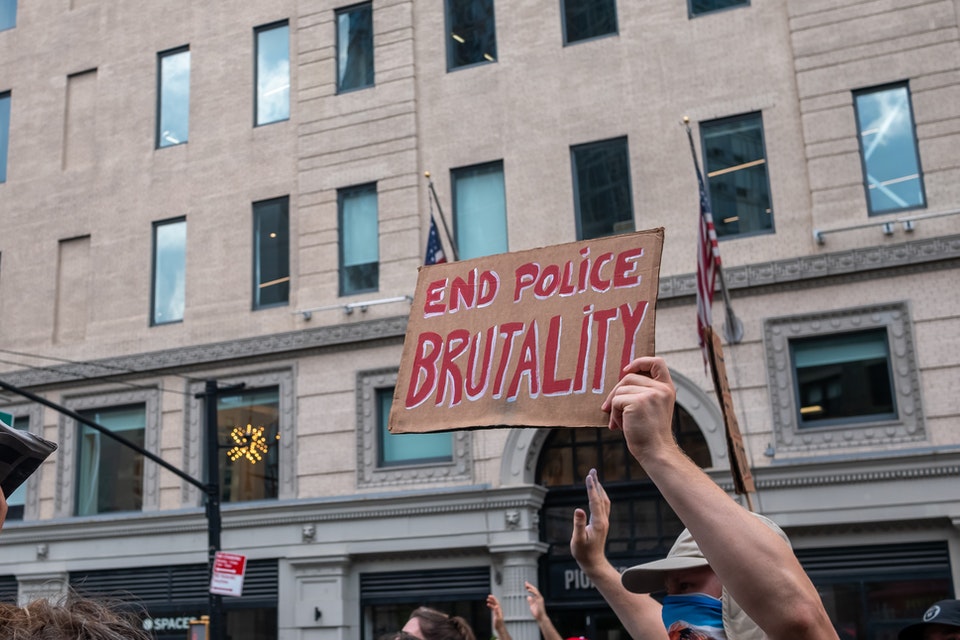
Police brutality/excessive force: An extreme form of police violence that includes unjustified force, intentional harassment, verbal assault, property damage, or death
Remedies for Police Misconduct
While police misconduct laws and policies are typically localized in California, there are still some statewide and federal remedies. The California Department of Justice has a policy that holds local governments responsible for citizen complaints against law enforcement agencies. They further state that local governments should try to solve the problems as best they can before a request can be made for intervention by the Attorney General. Only after all appropriate local resources for solving the issue have been exhausted will the Attorney General then step in to help. To file a complaint about a police officer(s) or a law enforcement agency, fill out the form here.
The United States Department of Justice (DOJ) is also another source for help in police misconduct cases. The DOJ investigates and prosecutes (where necessary) violations by law enforcement officers. They typically deal with cases involving excessive force, sexual misconduct, theft, false arrest, and substantial risk of harm to a person in custody.
For the DOJ to prosecute a police officer, two requirements must be met:
- The government must be convinced that the potential defendant committed a federal crime.
- The government must feel like it would prevail at trial.
If the requirements are met, the law that will be used to prosecute a police officer is 18 United States Code, Section 242—the Deprivation of rights under color of law. This law is intended to protect the civil rights of everyone in the United States.
Contact Us
If you or a loved one have any more questions about police misconduct laws in California, contact us. We’ll get you in touch with the most qualified attorney for your unique legal matter. Get your free consultation with one of our experienced attorneys today!