
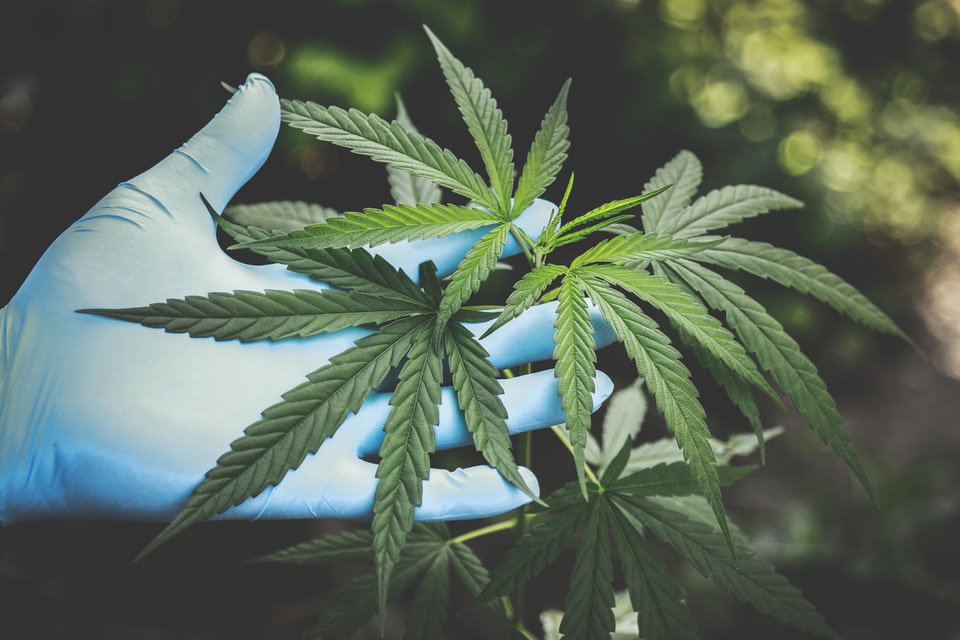
Marijuana became legal for medicinal use in California in 1996. Marijuana laws have evolved significantly since then. Here’s what you need to know about marijuana laws in California. This article will present information on legal possession/use, illegal possession/use, and legal penalties.
California Marijuana Laws in 2021
California’s marijuana laws allow individuals to possess, use, and cultivate marijuana for recreational purposes. Proposition 64 was passed in 2016, which legalized the recreational use of marijuana in 2018. Proposition 64 allows those age 21 and over to purchase, possess, and use up to 28.5 grams of marijuana. It can only be consumed in a personal residency or an authorized establishment.
However, it’s important to note that
- California laws still punish the illegal sale, distribution, and trafficking of marijuana.
- Individuals who exceed the permitted 28.5-gram limit face legal punishments that remain strictly enforced.
- Consumption of marijuana can make an individual’s job search more difficult.
- A 15% tax is charged to those who cultivate marijuana.
Regarding the Legal Sale of Marijuana
The Office of Cannabis Control issues licenses for the legal sale of marijuana. Marijuana sales licenses are usually provided to medical laboratories, micro-businesses, and retail stores. Local governments must also provide companies with permits to sell marijuana. Under the California Code of Regulations Section 5416, counties/cities cannot prohibit the sale of marijuana if the company has a state license.
Possession of Mariujana
Individuals over the age of 21 are permitted to have up to 28.5 grams of marijuana, an ounce of flowers, and 8 grams of concentrated cannabis. A valid ID is required to purchase marijuana in the state of California. Furthermore, people over the age of 21 are allowed to own up to six marijuana plants. However, possession of
- cannabis by a person under the age of 21 is a crime.
- more than 28.5 grams of cannabis is a crime punishable by up to six months in jail or a fine of $500.
- less than 28.5 grams of cannabis near school grounds when over the age of 18 is punishable by up to 10 days in jail or a $500 fine.
- less than 28.5 grams of cannabis near school grounds when under the age of 18 is punishable by up to ten days in jail and a $250 fine.
- cannabis with the intent to distribute more than one ounce of cannabis is considered a misdemeanor. It is punishable by up to six months in prison and a $500 fine.
Related: How to Find a Good Criminal Defense Lawyer in California
Marijuana Paraphernalia Laws
Paraphernalia are tools used to cultivate, harvest, analyze, process, or store cannabis. Marijuana paraphernalia is considered legal in California, but it is illegal to sell paraphernalia without authorization.
- Selling paraphernalia can result in up to one year in state prison.
- If a minor is involved in the transaction, prison time may be more than one year and a $1,000 fine can be ordered
Possession of hash and concentrates
Possession of up to 8 grams of hashish, hash oil, and other cannabis concentrates is legal.
- Exceeding 8 grams is considered a misdemeanor, punishable by up to 6 months in prison and a $500 fine.
Illegally manufacturing concentrates can result in the following punishments:
- Chemical synthesis manufacturing can result in a maximum fine of up to $50,000 and a prison sentence of 3 to 7 years.
- Methods other than chemical synthesis can result in a prison sentence of 16 months to 3 years.
Marijuana use associated with minors
- The use of a minor for the purpose of redistributing marijuana is a crime punishable by 3 to 7 years in prison.
- Causing a minor to use marijuana is also a crime. The penalty is a fine of $150 and 3 to 7 years in prison.
Marijuana DUI laws
Driving under the influence of marijuana can result in a fine of up to $1,000 for a first-time offender and some penalty assessments, with possible fines totaling up to $2,000. Prison sentences for drivers under the influence of marijuana can range between 48 hours and 6 months. First-time DUI offenders will have their licenses suspended for six months. Depending on the intoxication level of the driver, probation can be extended longer than six months; however, first-time offenders tend to face informal probation of 3 years.
FAQS
Can I drive with marijuana in the car in California?
California Vehicle Code 23222(b) states that the transportation of marijuana in a sealed container is legal, but open containers of cannabis can lead to legal troubles.
Can I use marijuana at 18 if I have a medical license?
In order to qualify for a medical marijuana card, you have to be 18 years old. The same laws that apply to 21-year-old recreational users also apply to 18-year-old medical marijuana users.
Contact Us
If you or a loved one would like to know more about marijuana laws in California, get your free consultation with one of our experienced attorneys in California!