
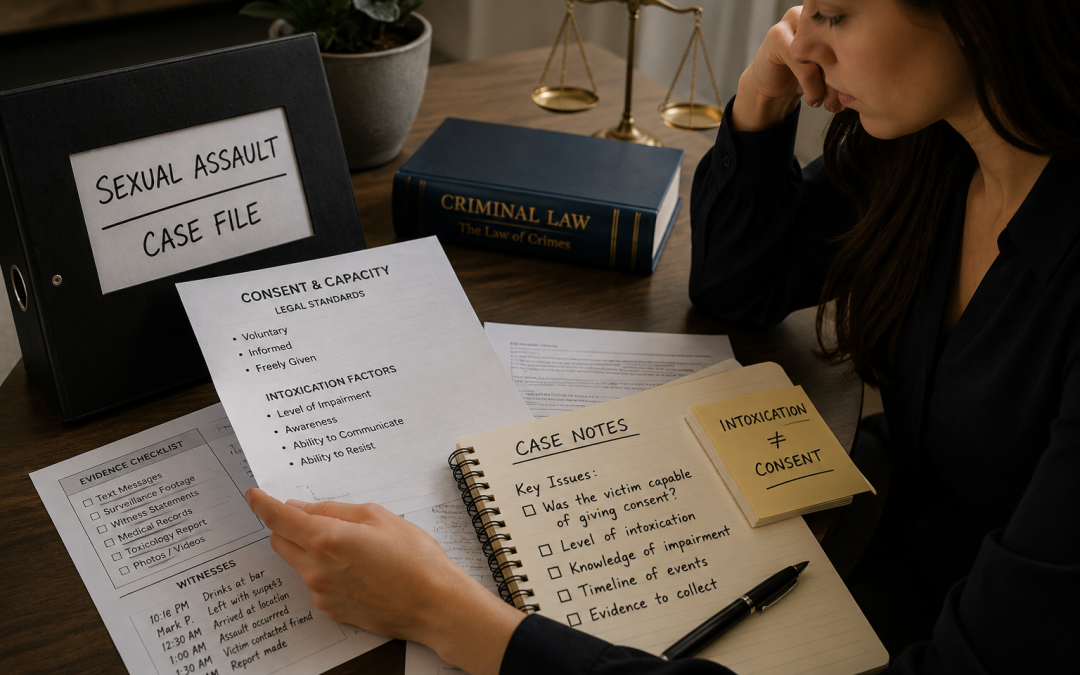
Drunk sex may be considered rape when a person is too intoxicated to give legal consent. Drinking alcohol alone does not automatically make sexual activity illegal, but severe intoxication can prevent valid consent.
The answer depends on state law, the person’s level of intoxication, the evidence, and whether the other person knew or reasonably should have known the person could not consent.
Alcohol and Consent
Consent must be voluntary, informed, and freely given. RAINN explains that alcohol can affect consent when a person becomes too impaired to understand or agree to sexual activity.
A person who drank alcohol may still have the ability to consent if they understand what is happening and choose to participate freely. However, a person who is unconscious, asleep, severely confused, physically helpless, or unable to communicate a choice may not have legal capacity to consent.
The legal issue is usually not the number of drinks. Instead, courts and investigators look at the person’s condition and ability to make a voluntary decision.
When Intoxication May Prevent Consent
Intoxication may prevent consent when alcohol or drugs impair a person’s awareness, judgment, or ability to communicate.
Possible signs of incapacitation may include:
- Passing out
- Falling asleep
- Vomiting repeatedly
- Confusion about time or place
- Inability to walk or stand
- Inability to speak clearly
- Blackouts or memory gaps
- Physical helplessness
- Inability to say yes or no
No single sign automatically proves rape. Investigators usually review the full timeline, witness statements, medical evidence, messages, and the conduct of both people.
California Law on Drunk Sex and Rape
California rape law appears in Penal Code Section 261. The statute includes situations where sexual intercourse occurs with a person who cannot resist because of an intoxicating, anesthetic, or controlled substance, and the accused person knew or reasonably should have known about that condition.
This means California law focuses on incapacity and knowledge. Prosecutors generally must show the person could not legally consent because of intoxication and that the accused knew, or reasonably should have known, about the impairment.
California sex crime penalties vary by charge and facts. Her Lawyer’s guide to California sex crimes and penalties explains how different sex offenses may carry different consequences.
What If Both People Were Drinking?
If both people were drinking, the case may still turn on consent and capacity. Mutual alcohol use does not automatically make the encounter legal or illegal.
The key question is whether either person was too impaired to consent and whether the other person knew or should have known. For example, a person who is passed out or unable to understand what is happening cannot give valid consent, even if both people consumed alcohol earlier.
At the same time, two adults who drank but remained aware, communicative, and capable of making voluntary choices may not meet the legal standard for rape.
Alcohol Alone Does Not Answer the Question
Alcohol can complicate consent, but alcohol alone does not decide the case.
Important questions may include:
- Did the person understand the sexual activity?
- Did the person voluntarily agree?
- Did the person withdraw consent?
- Did the person fall asleep or lose consciousness?
- Did the person appear confused, helpless, or unable to communicate?
- Did someone use alcohol to take advantage of the other person?
- Did threats, pressure, force, or coercion occur?
Her Lawyer’s article on sexual coercion vs. sexual assault explains how pressure, manipulation, and lack of voluntary agreement may affect consent.
Drug-Facilitated Sexual Assault
Alcohol-related sexual assault can overlap with drug-facilitated sexual assault. RAINN explains that drug-facilitated sexual assault occurs when someone uses alcohol or drugs to make another person unable to consent.
This can include secretly giving someone alcohol or drugs, encouraging heavy drinking to reduce resistance, or taking advantage of someone already impaired.
Evidence may disappear quickly in these cases. Medical care, toxicology testing, saved messages, witness statements, and a written timeline may help preserve important facts.
Evidence in Alcohol-Related Sexual Assault Cases
Evidence may include anything that shows the person’s level of impairment, conduct, and ability to consent.
Common evidence may include:
- Text messages
- Social media messages
- 911 calls
- Bar receipts
- Ride-share records
- Hotel records
- Surveillance video
- Witness statements
- Medical exam records
- Toxicology results
- Photos or videos
- Statements before and after the incident
Investigators may also review whether the accused person noticed signs of impairment. For example, messages saying a person was “too drunk,” witness accounts of vomiting, or video showing physical helplessness may become important.
Civil and Criminal Consequences
A sexual assault allegation involving alcohol may lead to criminal charges, a civil lawsuit, a restraining order, a school disciplinary case, or workplace consequences.
A criminal case focuses on whether prosecutors can prove the offense beyond a reasonable doubt. A civil case may seek damages for harm caused by the assault. These cases use different legal standards.
A survivor may have civil options even if prosecutors do not file criminal charges. Filing deadlines vary by state, and Her Lawyer’s guide to the sexual assault statute of limitations by state explains how civil and criminal deadlines may differ.
Support After Sexual Assault
A person who believes sexual assault occurred may seek medical care, preserve evidence, contact a victim advocate, report to law enforcement, request a protective order, or speak with an attorney.
RAINN’s National Sexual Assault Hotline offers confidential support by phone at 800-656-4673 and online. The U.S. Office on Women’s Health also provides information about sexual assault, medical care, and safety after an assault.
If immediate danger exists, calling 911 may be necessary.
FAQs About Drunk Sex and Consent
Is drunk sex automatically rape?
No. Drinking alcohol does not automatically make sex rape. The legal question is whether valid consent existed and whether intoxication prevented a person from freely agreeing.
Can a drunk person consent?
Sometimes. A person who drank alcohol may still consent if they understand what is happening and voluntarily agree. Severe intoxication, unconsciousness, or incapacity may prevent valid consent.
What if someone does not remember what happened?
Memory loss may matter, but a blackout alone does not automatically prove rape. Investigators usually examine the person’s condition, behavior, communications, witnesses, and whether they could consent at the time.
Does rape require physical force?
No. Many rape and sexual assault laws include situations involving intoxication, unconsciousness, threats, coercion, or inability to consent, even without physical force.
Legal Help With Consent and Sexual Assault Issues
Questions involving drunk sex, consent, and sexual assault can be legally and emotionally difficult. The outcome depends on state law, evidence, intoxication level, and whether the person had legal capacity to consent.
Her Lawyer’s women’s rights attorneys assist with sensitive legal matters involving sexual assault, consent, protective orders, privacy, and related civil issues. Contact Her Lawyer to discuss a confidential legal matter.