
A forced kiss can be sexual assault in California, depending on the facts. California law does not use one single statute for every unwanted sexual act. Instead, prosecutors may look at sexual battery, assault, harassment, domestic violence, or other charges based on the conduct, relationship, intent, and evidence.
A kiss may seem minor to some people, but an unwanted forced kiss can still violate consent and personal safety. The legal analysis often turns on whether the contact was unwanted, whether it involved force or restraint, whether it touched an intimate part, and whether the conduct happened for sexual arousal, sexual gratification, or sexual abuse.
Consent and Forced Kissing
Consent matters in any unwanted sexual contact case. California defines consent in certain sex offense cases as positive cooperation in act or attitude through free will. The person must act freely and voluntarily, with knowledge of the nature of the act, under Penal Code Section 261.6.
A person does not consent to a kiss just because the parties know each other, dated before, flirted, worked together, or had prior romantic contact. Consent to one form of contact also does not automatically create consent to another.
For example, a hug, date, conversation, or prior relationship does not give someone permission to force a kiss. The facts before, during, and after the incident may help show whether the contact was wanted or unwanted.
When a Forced Kiss May Be Sexual Battery
California’s sexual battery statute, Penal Code Section 243.4, covers several forms of unwanted sexual touching. Some parts of the statute focus on touching an intimate part of another person. Other parts address causing another person to touch an intimate part under specific circumstances.
Whether a forced kiss qualifies as sexual battery depends on how prosecutors characterize the contact and whether the required elements fit. A kiss alone may not always satisfy every part of Penal Code Section 243.4 because the statute uses specific language about intimate parts. However, related conduct can change the analysis. Grabbing, restraining, touching intimate body parts, pinning someone down, or using force can create more serious exposure.
Even when prosecutors do not charge sexual battery, a forced kiss may support other claims or protective action. The same incident may involve assault, battery, harassment, workplace sexual harassment, domestic violence, or a restraining order request.
Forced Kissing in Dating or Domestic Relationships
A relationship does not erase consent. Forced kissing can happen in dating relationships, marriages, domestic partnerships, breakups, or situations involving coercive control.
California law recognizes domestic violence broadly in family and intimate partner contexts. A person may seek a domestic violence restraining order when the relationship qualifies and the facts show abuse, threats, harassment, stalking, sexual assault, disturbing the peace, or coercive control. California courts provide information on domestic violence restraining orders and the process for requesting protection.
If the relationship does not qualify for a domestic violence restraining order, a civil harassment restraining order may apply in some cases. The correct order depends on the relationship and the conduct.
Forced Kissing at Work
A forced kiss at work can raise employment law issues as well as criminal or civil concerns. Unwanted sexual contact by a supervisor, coworker, client, customer, vendor, or business contact may support a workplace sexual harassment claim.
California’s Fair Employment and Housing Act prohibits workplace harassment based on sex and other protected traits under Government Code Section 12940. A forced kiss can become powerful evidence of unwelcome sexual conduct, especially when the employer knew or should have known and failed to respond properly.
A worker may document the incident, report it to HR or management, preserve messages, identify witnesses, and keep records of any retaliation. If the employer cuts hours, changes assignments, fires the worker, or punishes the report, retaliation may become a separate issue.
Evidence That May Help
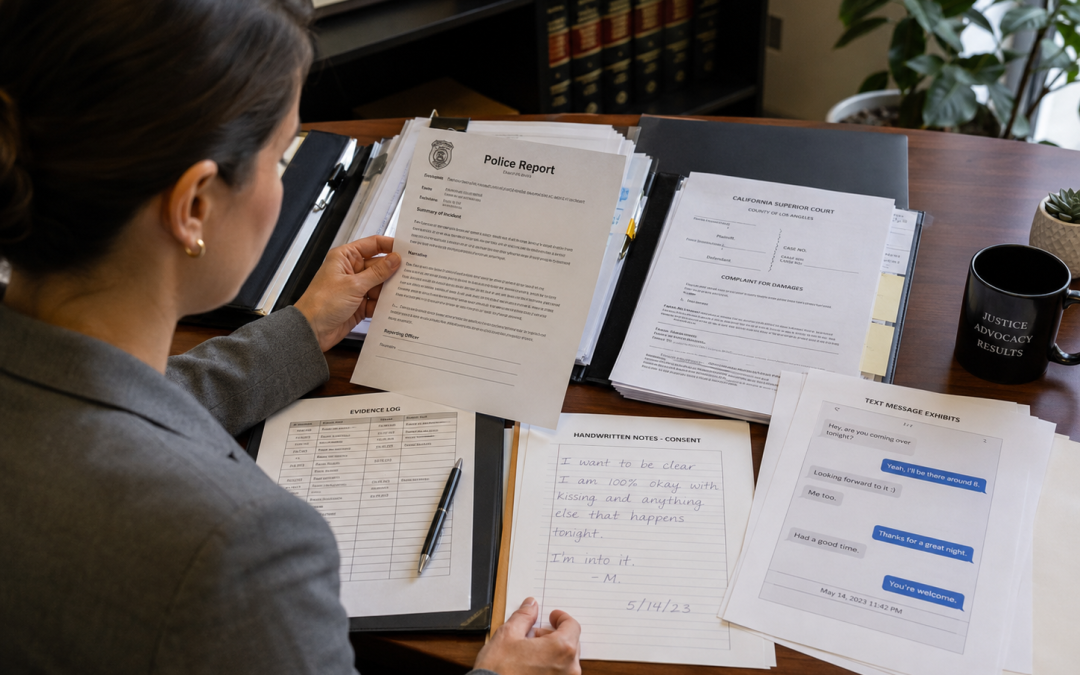
Forced kissing cases often depend on context. Evidence can help show what happened, whether the contact was unwanted, and how the person responded afterward.
Helpful evidence may include:
- Text messages or direct messages
- Apologies or admissions
- Witness names
- Security footage
- Photos of injuries, if any
- Medical or therapy records
- Police report or incident number
- Workplace complaint records
- HR emails
- Location records
- Rideshare or calendar records
- A written timeline
Messages after the incident may matter. For example, an apology, threat, denial, or attempt to pressure the person into silence can affect how investigators, employers, or courts view the case.
Reporting and Legal Options
A person who experienced a forced kiss may consider several options. The right path depends on safety, evidence, relationship, workplace setting, and personal goals.
Possible options may include:
- Reporting to law enforcement
- Seeking medical or counseling support
- Filing a workplace complaint
- Requesting a restraining order
- Preserving digital evidence
- Considering a civil claim
- Requesting school or campus protections, if relevant
A person accused of forced kissing should also take the situation seriously. Direct contact with the other person, deleted messages, social media posts, or attempts to explain the incident without guidance may create additional risk.
Her Lawyer’s article on he said, she said sexual assault cases explains how testimony, context, consent, and evidence may affect disputed sexual assault matters.
FAQs About Forced Kissing and Sexual Assault
Can a forced kiss be sexual assault in California?
Yes, depending on the facts. A forced kiss may support sexual battery, assault, harassment, domestic violence, workplace sexual harassment, or another legal claim.
Does a prior relationship make a forced kiss legal?
No. A prior relationship, date, marriage, or past sexual contact does not automatically create consent to a later kiss or sexual contact.
What if there were no witnesses?
A case can still move forward without eyewitnesses. Text messages, admissions, security footage, medical records, timing, and testimony may all matter.
Can a forced kiss support a restraining order?
Sometimes. A forced kiss may support a restraining order when the facts show abuse, sexual assault, harassment, threats, stalking, or a qualifying relationship under California law.
Legal Help After a Forced Kiss
A forced kiss can raise issues involving consent, sexual battery, workplace harassment, restraining orders, criminal allegations, civil claims, and retaliation. A strong next step often depends on the relationship, setting, available evidence, safety risks, and whether the incident happened at work, school, home, or another location.
Her Lawyer, A Professional Law Corporation, assists with California matters involving sexual assault allegations, harassment, restraining orders, employment claims, and related legal issues. Contact Her Lawyer to request a confidential consultation and discuss possible next steps.