
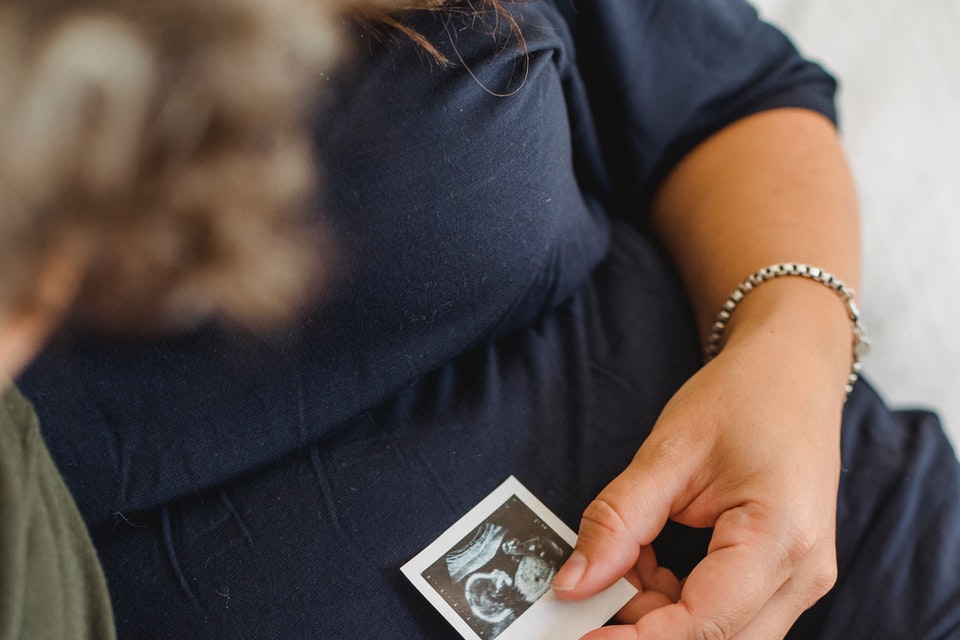
Couples freezing their embryos should know everything about how to form an embryo and gamete disposition agreement in California.
If a couple freezes their embryos to use for the future but unexpectedly faces divorce, illness, or a change of mind by one or both parties, neither party may be able to use those embryos if they do not read the forms carefully. To avoid unnecessary conflict in the future, couples should fully understand the legal implications of signing consent forms at the fertility clinic.
Related: Assisted Reproduction Laws in California
What is an Embryo and Gamete Disposition Agreement?
Couples often choose to freeze their embryos in hopes of starting a family in the future. Today modern medicine allows couples to separately freeze their eggs or sperm. As a result, there is often disagreement over shared embryos in the event of divorce, separation, or illness. Despite these situations being highly emotional, courts view embryo cases as a matter of legal contract. There are potential legal consequences that need to be considered if a couple chooses to take this path. For some couples, the frozen embryos may be their only chance to have a baby that is genetically related to them, so it is important to take actions that would allow either or both parties to use the embryos at a later time.
Embryo disposition agreements, in addition to independent legal advice for each party, can increase the chance that both parties’ wishes will be respected in the future. While it may seem unusual to enter into a contract with one’s spouse or romantic partner, it is necessary to protect future interests. For some, frozen embryos might be their only chance to have a biological child. Thus, it is important for potential parents to protect their right to use the embryos in the future.
Related: How Much Does In Vitro Fertilization (IVF) Cost in California?
What can couples do to ensure their right to use the embryos in the future?
Couples preparing to freeze embryos should discuss what to do with the remaining embryos and be cautious about the consent forms they sign at the clinic.
Both parties must abide by the agreement in the contract they signed. This sometimes involves completely destroying the frozen embryos, so it is essential that couples read the forms carefully before signing. Once the forms are signed, they become a legal contract. California law is clear that couples must decide what to do with embryos they create in the event of separation or divorce.
Fertility clinics should also properly inform potential parents about the consent forms. Some clinics do encourage their clients to obtain legal advice so all involved parties are aware of the potential consequences. However, it is important that couples are aware of the legal implications beforehand since some clinics may not provide this information.
Related: Embryo Adoption in California: The Basics
Consider Hiring a Family Law Attorney
Divorce is difficult as it is. Custody disputes involving future children tend to make the process even more emotional.
Couples should always discuss the legal implications of their decisions concerning stored embryos with a lawyer before they agree to a contract. Couples are advised to have a written agreement before they create their embryos. Whether one is faced with the event of separation or not, it is essential to seek legal advice with cases involving assisted reproduction as the law continues to evolve concerning such practices.
Both couples and singles can get started by contacting a family law attorney in their area. An attorney will review the case at hand and guide the involved parties through the process.
Contact Us
If you or a loved one would like to know more about forming an embryo and gamete disposition agreement in California, get your free consultation with one of our family law attorneys today!