
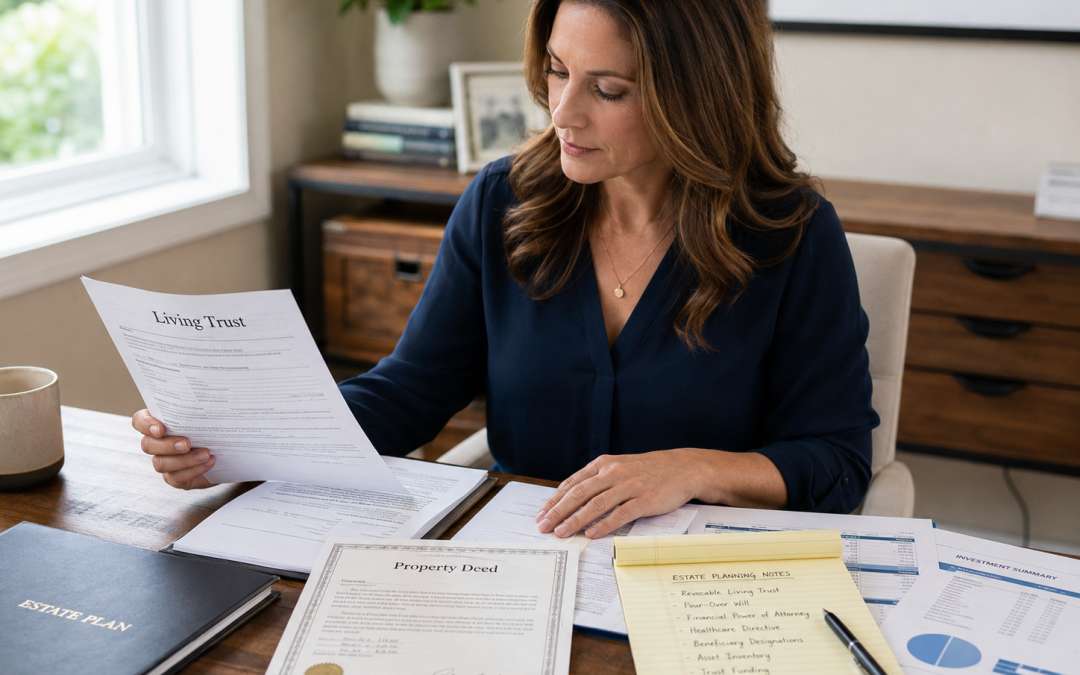
A DIY living trust in California may help a person organize assets, name beneficiaries, and avoid probate for properly funded property. However, a trust only works well when the document is valid, the terms are clear, and the assets are actually transferred into the trust.
Many people create a living trust to keep estate administration private and reduce court involvement after death. Still, a poorly drafted or unfunded trust can create confusion, family disputes, tax questions, title problems, or probate issues. For that reason, a DIY trust should be approached carefully.
What Is a Living Trust?
A living trust is a legal document created during a person’s lifetime. The person creating the trust is often called the settlor, trustor, or grantor. The trust names a trustee to manage trust property and beneficiaries to receive property under the trust terms.
Most estate planning trusts for individuals are revocable living trusts. A revocable trust can usually be changed or revoked while the settlor is alive and competent. California law recognizes rules for revocable trusts, including how a trust may be revoked under Probate Code Section 15401.
A living trust can hold real estate, bank accounts, investment accounts, business interests, and other property. However, the trust must be funded. Funding means transferring ownership or beneficiary designations into the trust where appropriate.
Can Someone Make a DIY Living Trust in California?
Yes. California does not require every person to hire a lawyer to create a living trust. A person may use forms, software, or self-help resources to prepare a trust.
However, the trust still must satisfy California law. California’s trust creation rules generally require intent to create a trust, trust property, a lawful trust purpose, and a beneficiary unless a specific exception applies. The California Probate Code also states that consideration is not required to create a trust under the state’s trust creation provisions.
A DIY trust may work best for a simple estate with clear beneficiaries, limited assets, no anticipated disputes, and no complicated tax, business, blended-family, disability, or creditor issues. More complex estates usually need a closer review.
What Should a California Living Trust Include?
A living trust should clearly explain who controls the trust, what property belongs to the trust, and what happens during incapacity or after death. Ambiguous terms can create disputes or delay administration.
A California living trust often includes:
- Name of the trust
- Name of the settlor
- Initial trustee
- Successor trustee
- Beneficiaries
- Distribution instructions
- Incapacity provisions
- Trustee powers
- Revocation and amendment terms
- Trust property schedule
A complete estate plan may also include a pour-over will, durable power of attorney, advance health care directive, HIPAA authorization, property deeds, beneficiary designation updates, and written asset information. The trust itself does not automatically transfer every asset unless ownership or beneficiary records support that transfer.
Funding the Trust
Funding is one of the most common DIY trust problems. A signed trust document may not avoid probate if major assets remain outside the trust.
For real estate, funding often requires preparing and recording a deed transferring the property into the trust. The deed must identify the property correctly and comply with county recording requirements. Errors in legal descriptions, ownership shares, signatures, notarization, or transfer forms can create title problems.
Bank accounts, brokerage accounts, and business interests may require separate institution forms. Some retirement accounts should not be retitled into a revocable trust without careful review because tax and beneficiary rules can be complicated.
If property remains outside the trust after death, the family may need probate or a small estate procedure. California courts explain that a small estate affidavit may help transfer certain personal property when the estate qualifies. For certain primary residences, California law also allows a separate real property procedure when the gross value does not exceed the statutory threshold under Probate Code Section 13151.
Common DIY Living Trust Mistakes
A DIY living trust can fail when it does not match the person’s assets, family structure, or legal goals. Mistakes may not become obvious until incapacity or death, when the person who created the trust can no longer clarify intent.
Common mistakes include:
- Not funding the trust
- Forgetting to transfer real estate
- Using unclear beneficiary language
- Naming the wrong successor trustee
- Failing to plan for minor children
- Ignoring blended-family issues
- Forgetting retirement accounts and life insurance
- Not updating the trust after marriage, divorce, birth, or death
- Creating conflicts between the trust and beneficiary designations
- Using another state’s trust form without California review
For example, a trust may say assets go equally to children, while a bank account beneficiary form names only one child. In that situation, the beneficiary designation may control the account and create conflict with the trust plan.
Living Trust vs. Will
A will and living trust serve different purposes. A will can name beneficiaries, nominate a guardian for minor children, and direct property distribution after death. However, a will usually must go through probate before assets pass under its terms.
A living trust can help avoid probate for assets properly transferred into the trust. It can also provide management instructions if the settlor becomes incapacitated. Unlike probate, trust administration often remains more private because it does not require the same public court process for every funded asset.
Still, a living trust does not replace every estate planning document. A pour-over will often works with the trust by directing any overlooked assets into the trust after death, although those assets may still need probate if they exceed small estate limits.
When Legal Help May Matter
A DIY living trust may not be enough when the estate has legal, financial, or family complications. A lawyer’s review can help identify problems before the trust is signed, funded, or relied on.
Legal help may matter when the estate involves:
- Real estate in California or multiple states
- Minor children
- Blended families
- Estranged relatives
- Beneficiaries with disabilities
- Business ownership
- Large retirement accounts
- Possible creditor claims
- Tax concerns
- A pending divorce or recent marriage
- A beneficiary with substance use or financial management issues
A living trust should match the person’s real life, not just a template. The more complicated the assets or relationships, the more careful the plan should be.
FAQs About DIY Living Trusts in California
Can a person make a living trust without a lawyer in California?
Yes. California does not require a lawyer to create every living trust. However, the trust must meet legal requirements and should be properly funded to work as intended.
Does a living trust avoid probate automatically?
No. A living trust generally avoids probate only for assets properly transferred into the trust or coordinated with the trust through valid beneficiary designations.
Does a living trust replace a will?
Not entirely. Many people with living trusts also use a pour-over will to address assets left outside the trust and to nominate guardians for minor children.
Can a DIY trust cause problems?
Yes. Problems can arise from unclear language, unfunded assets, invalid signatures, outdated terms, conflicting beneficiary forms, or real estate transfer mistakes.
Legal Help With a California Living Trust
A DIY living trust can work for some simple estate plans, but the details matter. The strongest estate plan usually depends on the person’s property, family structure, beneficiary goals, incapacity planning needs, and whether each asset has been properly coordinated with the trust.
Her Lawyer, A Professional Law Corporation, assists with California estate planning matters involving living trusts, wills, powers of attorney, and related planning documents. Contact Her Lawyer to request a confidential consultation and discuss possible next steps.