
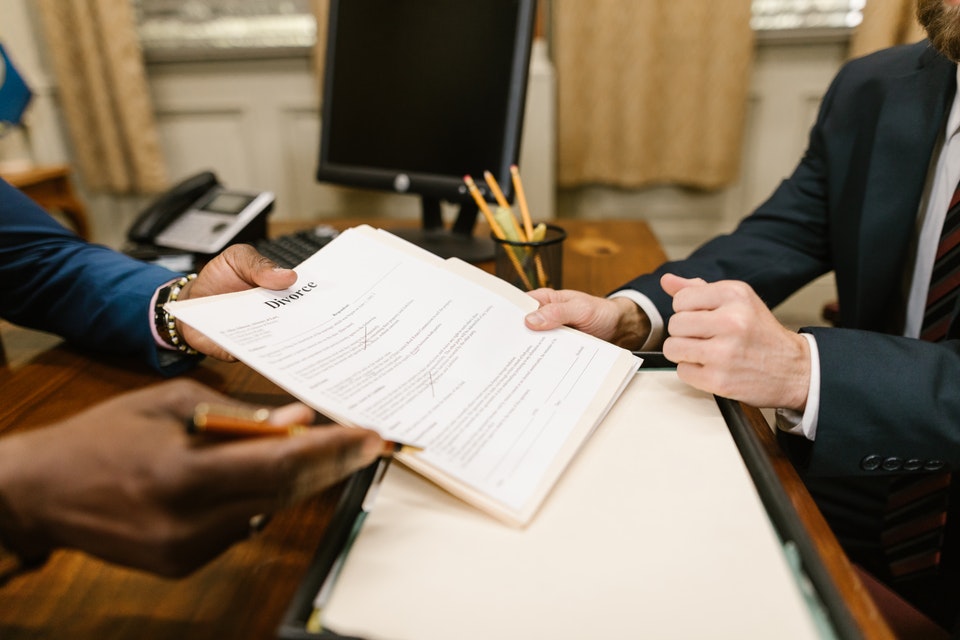
Collaborative divorce is a good alternative for couples who wish to divorce outside of court. Here’s what to know about collaborative divorce in California.
During the collaborative divorce process, couples will work with their own lawyers and specialists to reach a divorce settlement agreement outside of court. Collaborative divorce can be more affordable and offers more flexibility and privacy, but it can be costly if the collaborative process is not successful.
What is collaborative divorce in California?
Collaborative divorce is when two spouses negotiate a divorce agreement with the help of their respective collaborative lawyers. The divorce does not take place in court and instead happens privately.
How does collaborative divorce work in California?
Each spouse meets separately with their own lawyer to determine their needs and demands, and the lawyers meet to negotiate the settlement. The lawyers collaborate to reach a compromise that satisfies both of their clients. The attorneys can draft a settlement agreement for the spouses that handles divorce issues such as division of assets and debt, child custody, and child support.
Related: How to Make a Divorce Settlement Agreement in California
If the lawyers cannot reach an agreement, the divorce will have to go to court and the attorneys must withdraw themselves from the case.
Collaborative Divorce Process in California
For couples interested in collaborative divorce, here are the steps of the collaborative divorce process:
- The spouses agree to the collaborative divorce process.
- Collaborative divorce requires compromise and willing participation from both parties. If one spouse refuses, collaborative divorce will not work.
- Hire an attorney.
- Each spouse should find their own divorce attorney, especially one with experience in alternative divorce methods.
- Contact an experienced attorney from Her Lawyer today to help you through your collaborative divorce needs.
- Meet with your attorney to discuss the terms of divorce.
- When meeting your own lawyer, discuss what you want in the divorce. Be specific with matters such as division of property, custody arrangements, visitation, and child support.
- Start setting up your collaborative divorce team.
- Based on your divorce needs discussed with your lawyer, consider hiring a divorce coach, financial specialist, and/or child specialist. These professionals can provide valuable insight to the different areas of divorce and help guide you through the process.
- Meet with your spouse and their attorney.
- After speaking with your own lawyer and determining your grounds for divorce, it is time to meet with your spouse and their respective lawyer.
- There will be several meetings to discuss and negotiate each spouse’s needs during divorce. At each meeting, the spouses and their respective lawyers should work toward a collaborative final agreement.
- Lawyers draft a settlement agreement.
- At the conclusion of the collaborative divorce meetings, the lawyers will write up a settlement agreement. This settlement outlines the terms of divorce and both parties sign to affirm their agreement.
Difference from Regular Divorce
Collaborative divorce is a good option for couples that wish to divorce outside of court and are willing to set aside their personal differences. Collaborative divorce offers more privacy and flexibility during the divorce process, which can be helpful during a very difficult time for couples. However, collaborative divorce may not work for couples that are unwilling to compromise on their own, or spouses that are in abusive relationships.
In regular divorce, the judge makes impartial decisions about the terms of divorce. Divorce records are public and couples spend more time in court making arguments for the terms of their divorce. Regular divorce may be a good option for couples that cannot reach an agreement on their own. Court divorce also ensures protection from abusive spouses and ensures a divorce process in accordance with California laws.
Related: Marital Settlement Agreement vs. Divorce Decree
FAQs
What is wrong with a collaborative divorce?
Collaborative divorce happens out of court, and that comes with some downsides. If the collaborative divorce process does not work out, the divorce will still have to go to court. The attorneys from an unsuccessful collaborative divorce must withdraw themselves from court divorce, so each spouse will have to hire yet another attorney and pay more attorney fees.
Spouses may not be completely honest about debts and assets during the collaborative divorce. Since collaborative divorce happens out of court, couples do not have the legal authority of the court to ensure honesty. Collaborative divorce can be tricky to navigate when spouses are not fully transparent.
How much does it cost for a collaborative divorce?
A successful collaborative divorce is typically less costly than a court divorce. Attorneys in a collaborative divorce play a smaller role than attorneys in a court divorce. Collaborative divorce typically costs around $50,000-$150,000.
However, an unsuccessful collaborative divorce can be costly because spouses will need to hire additional attorneys for court divorce.
How long does a collaborative divorce take in CA?
The length of a collaborative divorce depends on the number of spouse-attorney meeting sessions and the nature of the assets involved in divorce. Typically, collaborative divorce takes 4-6 meetings to reach a settlement which can happen quickly. However, outside factors such as travel time, asset management delays, or emotional distress may affect the wait time in between meetings and prolong the overall time period.
When should I give up on collaborative divorce?
Collaborative divorce may not work out for several reasons. End the collaborative divorce process and begin filing for court divorce if your spouse is refusing to share important documents or information like financial disclosure, providing false information, or missing spouse-attorney meetings.
Contact Us
If you or a loved one needs to file for divorce in California, get your free consultation with one of our experienced collaborative divorce attorneys today!