
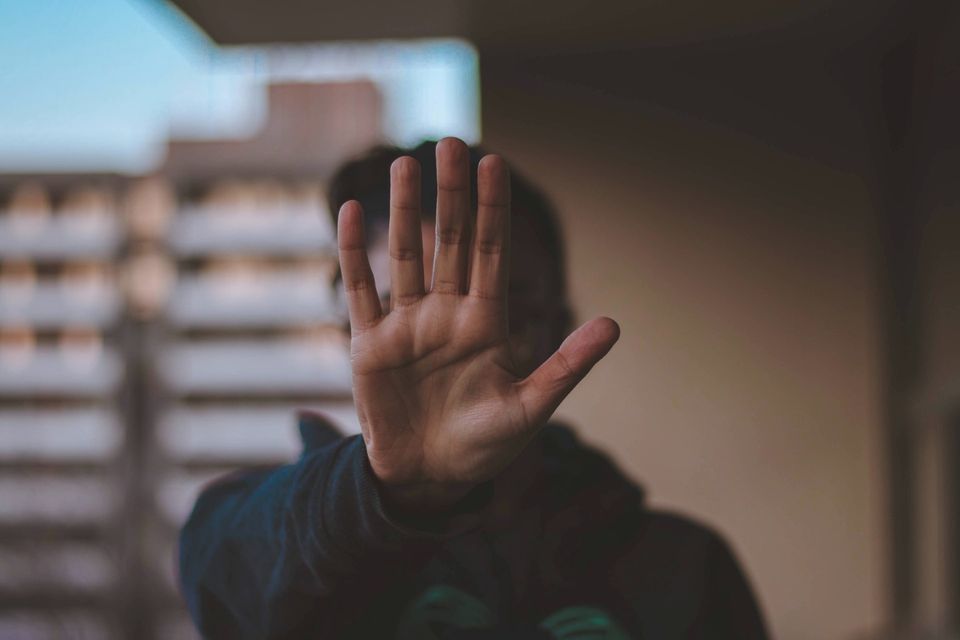
California Civil Harassment Restraining Orders
Here’s everything you need to know about civil harassment restraining orders in California and a step-by-step guide on how to get one.
In California, civil harassment restraining orders are issued to restrain friends, roommates, neighbors, or distant family members from taking certain actions if they’ve committed violence, threats of violence, stalking, or serious harassment against the person seeking the court order.
What is a civil harassment restraining order in California?
A civil harassment restraining order (CHRO) is a court order that restrains a person from taking a certain action that may harm a protected person, like:
- Violence
- Threats of violence
- Stalking
- Serious harassment
You can request a civil harassment restraining order if the person you want to restrain is your:
- Friend
- Roommate
- Neighbor
- Distant family member
- AND has stalked, assaulted, seriously harassed, or threatened you with violence
Depending on your situation, a domestic violence restraining order may be more appropriate. For more information about domestic violence restraining orders, click here.
What is a sexual assault civil restraining order in California?
A civil harassment restraining order can be issued if the person the order is against has sexually assaulted or threatened to sexually assault the person seeking the court order. If you’ve been sexually assaulted by a current or former partner, cohabitant, or relative, a DVRO may be better for you.
What can a civil harassment restraining order do in California?
A CHRO can order a restrained person to:
- Not contact you or anyone listed in the order
- Stay away from your home and household members
- Stay away from places you go
- Give up any firearms they have
How to Get a Civil Harassment Restraining Order in California
To get a civil harassment restraining order in California, first, fill out the CHRO forms and take them to your local court clerk. The court clerk will immediately give these to a judge; find out if the judge issues a temporary restraining order. File, distribute, and serve the forms. File your proof of service, then attend the court hearing. The judge will either issue, modify, or deny your CHRO. If issued, file any remaining paperwork.
1. Fill Out the Civil Harassment Restraining Order Forms
First, complete:
- Request for Civil Harassment Restraining Orders (Form CH-100)
- Confidential CLETS Information (Form CLETS-001)
- Items 1 and 2 on Notice of Court Hearing (Form CH-109)
- Items 1, 2, and 3 on Temporary Restraining Order (CLETS -TCH) (Form CH-110)
- Civil Case Cover Sheet (Form CM-010) [ask the court clerk if you need this]
If you need more room to explain why you need the restraining order, fill out:
- Additional Page (Form MC-020)
- Declaration (Form MC-030)
- Attached Declaration (Form MC-031) [for witness statements]
2. Complete Any Other Forms
Depending on the local court you’ll be filing the CHRO at, you may also need to complete some local forms as well. Call the court and ask if there are any additional documents that must be completed. You may be able to find these forms on your local court’s website. If so, fill them out.
3. Have An Attorney Review Them
It’s very important that these forms are properly filled out and filed, so make sure to have an attorney review them. After a lawyer has reviewed and finalized them, make 5 copies of each form.
Everything you write in these forms can be viewed by the restrained person. If you don’t want the person you’re seeking the restraining order against to see your personal information (like your address, telephone number, etc.), use the “Safe at Home” program.
4. Take Forms to Court Clerk
Take these forms to the court clerk, who will give them to a judge. The judge may issue a temporary restraining order within one business day. You may need to appear in court. Ask the court clerk how you should proceed and when you should return.
5. Find Out If a Judge Issued a Temporary Restraining Order
Return when the court clerk tells you to and find out if whether the judge issued, changed, or denied the temporary restraining order. Even if the TRO was denied, a court hearing will be held for the judge to decide whether to issue a permanent CHRO. Find out when your court date is.
6. File the Forms
If the CHRO was issued, the court clerk will automatically file your forms. He or she will stamp your court forms “Filed”, hand you back the copies, and keep the originals. Unless the restraining order includes stalking, violence, or threats of violence, you may be asked to pay a filing fee.
Adding documents into the filed civil harassment restraining order
You can add documents into the CHRO case, like proofs of service, by filing them with the court clerk.
7. Distribute Copies of the Temporary Restraining Order
If the TRO was issued, distribute copies to:
- Anyone else protected by the order
- Anywhere the restrained person is not allowed to go
- The security guards at your workplace or apartment
- Keep a copy with you at all times
- Keep a copy in your personal records
8. Served the “Restrained” Person
Find out when the papers must be served to the “restrained” person by. Get someone over the age of 18 to serve the filed papers, along with these blank forms to the “restrained” person:
- Response to Request for Civil Harassment Restraining Orders (Form CH-120)
- Proof of Firearms Turned In, Sold, or Stored (Form CH-800)
These papers must be served in person by anyone over the age of 18 that is uninvolved in the case. The person that serves these papers can be a:
- Friend
- Relative
- Professional process server
9. File Your Proof of Service
After the papers have been served, have the process server complete a Proof of Personal Service (Form CH-200), then file it with the court. The proof of service must be filed before the court date. Keep a copy of the filed proof of service (along with the TRO) with you at all times.
10. Prepare for the Court Hearing
Get ready for your court hearing by gathering any relevant evidence that supports your case, including:
- Photos
- Videos
- Emails
- Text messages
- Voicemails of phone calls
- Police or medical reports
- Witness testimonies
Civil harassment restraining order burden of proof in California
For civil harassment restraining order cases, the burden of proof lies with the person seeking the restraining order. Under the preponderance standard, the person requesting the CHRO must prove more likely than not that the order will protect him or her from harm by the restrained person.
11. Attend the Court Hearing
Get to the court 30 minutes early. Find out which room the hearing will be held in, then wait until the judge calls your case to the stand. Speak clearly, honestly, and respectfully at the court hearing. Talk only when talked to; if the “restrained” person lies in the courtroom, wait until they are finished speaking to prove otherwise.
12. After the Court Hearing
If a permanent civil harassment restraining order was issued, you may need to complete, file, and serve:
- Civil Harassment Restraining Order After Hearing (CLETS – CHO) (Form CH-130)
Fill out this form the way the judge tells you to. If you haven’t done so already, fill out (but don’t file) Confidential CLETS Information (Form CLETS-001).
Even if the restrained person was at the hearing, it’s a good idea to serve them. After you’ve served the filed Form CH-130 to the restrained person, have the process server complete either of these documents, then file it:
- Proof of Personal Service (Form CH-200)
- Proof of Service of Order After Hearing by Mail (Form CH-260)
FAQs
Can you get a restraining order for harassment?
If your friend, roommate, neighbor, or distant family member has stalked, assaulted, seriously harassed, or threatened you with violence, you can get a civil harassment restraining order.
Can I get a harassment restraining order against my neighbor?
Yes, you can get a civil harassment restraining order against your neighbor if he or she has stalked, assaulted, seriously harassed, or threatened you with violence.
What is the impact of a civil restraining order in California?
The allegations made in a civil restraining order case can impact a “restrained” person’s criminal record. If the “restrained” person committed a criminal offense to deserve a civil restraining order against him or her, the matter can turn from civil to criminal.
Free Consultation With a Restraining Order Attorney in California
If you need a civil harassment restraining order in California, contact us. We’ll get you in touch with the most qualified lawyer for your unique legal issue. Get your free consultation with one of our California Restraining Order Attorneys today!