
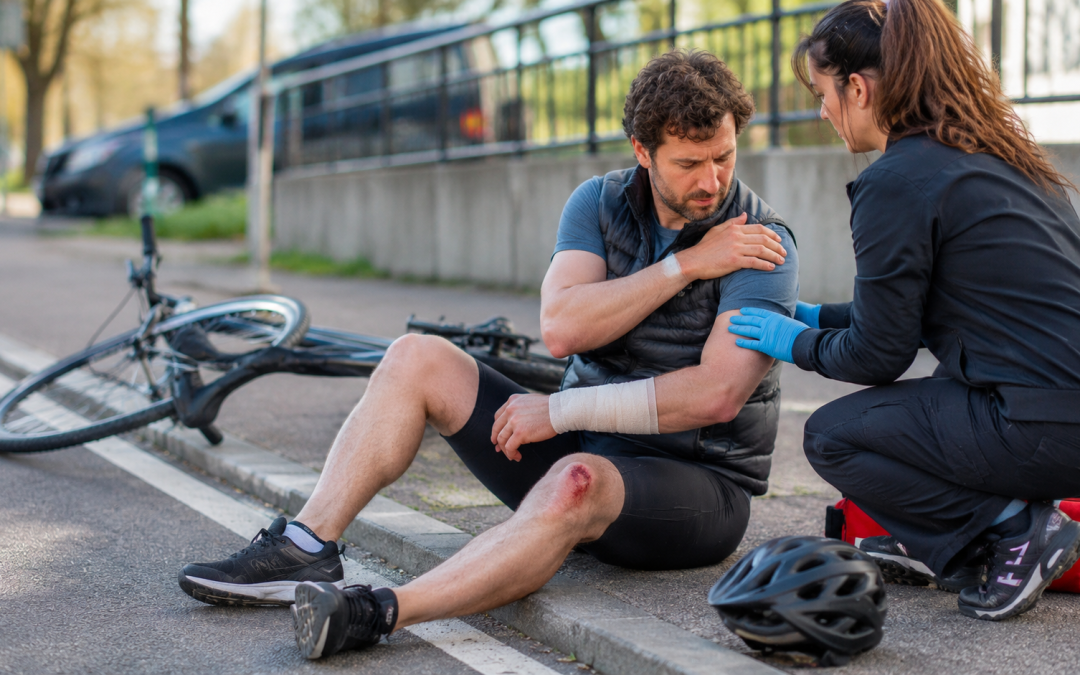
A bicycle accident can cause injuries throughout the body. Some are immediately visible. Others may not produce symptoms until several hours or days later.
Cyclists may suffer injuries after colliding with a vehicle, striking an object, or falling onto the roadway. National safety data shows that serious cycling injuries remain a significant public safety concern.
Anyone involved in a crash should check for pain, bleeding, confusion, and limited movement. Medical care can also create records that document the injuries and treatment.
Her Lawyer’s guide on what to do after a bicycle accident in California explains other steps that may protect an injured cyclist.
1. Head and Brain Injuries
A cyclist may strike the pavement, a vehicle, or another object during a crash. This impact can cause a concussion or traumatic brain injury.
Possible symptoms include:
- Headaches
- Dizziness
- Confusion
- Memory problems
- Nausea or vomiting
- Sensitivity to light
- Loss of consciousness
Some symptoms do not appear immediately. Emergency care is important after repeated vomiting, worsening headaches, seizures, slurred speech, or unusual confusion.
A helmet cannot prevent every concussion. However, a properly fitted bicycle helmet can reduce the risk of serious head and brain injuries.
2. Facial and Dental Injuries
A cyclist may land face-first or strike the handlebars. This can cause cuts, bruising, broken teeth, or facial fractures.
Dental injuries may require immediate treatment. A loose or displaced tooth can become harder to save when care is delayed.
Deep facial cuts may also damage nerves or leave permanent scars. Medical providers should evaluate heavy bleeding, severe swelling, or vision changes.
3. Road Rash and Lacerations
Road rash occurs when exposed skin slides across pavement. The injury can range from a minor scrape to a deep abrasion.
Dirt, gravel, glass, and other debris may remain inside the wound. This raises the risk of infection and scarring.
Large wounds may require professional cleaning, stitches, or skin treatment. Cyclists should seek care for uncontrolled bleeding, embedded debris, numbness, or signs of infection.
4. Broken Wrists and Hands
Cyclists often extend their arms when falling. The hands and wrists then absorb much of the impact.
This can cause fractures, sprains, or dislocations. Warning signs include swelling, severe pain, deformity, and difficulty gripping objects.
Finger numbness may indicate nerve involvement. Severe wrist fractures can sometimes affect the nerves supplying the hand.
5. Shoulder and Collarbone Injuries
A direct fall onto the shoulder can fracture the collarbone. It can also dislocate the shoulder or damage the rotator cuff.
Symptoms may include:
- Shoulder pain
- Swelling
- Weakness
- Visible deformity
- Limited arm movement
A cyclist should not attempt to force a dislocated joint back into place. The arm should remain supported until medical care is available.
6. Rib and Chest Injuries
Handlebars, vehicles, and pavement can strike the chest during an accident. This may cause bruised ribs, fractures, or internal injuries.
Rib injuries often cause pain during breathing, coughing, or movement. Falls and sports accidents are common causes of bruised ribs.
Difficulty breathing, chest pressure, or coughing blood requires emergency medical attention. Those symptoms may indicate a serious internal injury.
7. Back and Spinal Injuries
A violent impact can injure muscles, vertebrae, discs, or the spinal cord. Back pain may appear immediately or develop later.
A spinal injury can cause numbness, weakness, or loss of movement. Pain may also travel into the arms or legs.
The cyclist should avoid unnecessary movement after a serious crash. Emergency help is essential when neck or back pain appears with weakness, numbness, or loss of bladder control.
8. Knee and Leg Injuries
A bicycle frame, vehicle, or roadway may strike the legs. The twisting motion of a fall can also damage the knees.
Common injuries include:
- Ligament sprains
- Meniscus tears
- Fractures
- Dislocations
- Deep bruising
The knee contains several structures that may suffer damage during an accident. Fractures, dislocations, sprains, and ligament tears are common forms of knee trauma.
A person should seek medical care when the knee cannot support weight. Severe swelling or instability also requires evaluation.
9. Hip and Pelvic Injuries
A cyclist may land directly on one side of the body. This can bruise the hip or fracture the pelvis.
Pelvic fractures can damage internal organs and blood vessels. Severe groin pain, abdominal pain, or difficulty standing may signal a serious injury.
Older adults can face greater complications from hip fractures. Prompt diagnosis can reduce the risk of additional harm.
10. Nerve Injuries
A crash can stretch, compress, or sever nerves. Nerve damage may affect the hands, arms, legs, or feet.
Symptoms can include:
- Burning pain
- Tingling
- Numbness
- Muscle weakness
- Loss of sensation
Hand numbness can also occur when the ulnar nerve is compressed near the wrist. This nerve supplies sensation to the little finger and part of the ring finger.
Persistent numbness should not be ignored. Early evaluation may help identify the cause and prevent further damage.
What Should a Cyclist Do After an Accident?
Safety and medical care should come first. A cyclist should move away from traffic when doing so is safe.
The injured person should also:
- Call 911 when anyone may be seriously injured.
- Report the crash to law enforcement.
- Exchange information with the driver.
- Photograph the vehicles, bicycle, road, and injuries.
- Obtain contact details from witnesses.
- Preserve damaged clothing and bicycle equipment.
- Avoid admitting fault.
- Attend all medical appointments.
Insurance companies may ask for a recorded statement soon after the crash. An injured cyclist should understand the legal consequences before providing one.
Why Medical Documentation Matters
Medical records connect an injury to the bicycle accident. They can also show the diagnosis, treatment plan, and expected recovery period.
Delaying care may make an injury worse. It may also allow an insurer to argue that the crash did not cause the condition.
Patients should describe every symptom to their provider. That includes headaches, numbness, sleep problems, and emotional changes.
Speak With a California Bicycle Accident Attorney
A bicycle injury claim may include medical expenses, lost income, property damage, and pain and suffering. The available compensation depends on the facts of the accident.
Her Lawyer, A Professional Law Corporation, is a California law firm founded by David Hakimfar, Esq. Contact Her Lawyer directly to request a consultation about a California bicycle accident claim.