
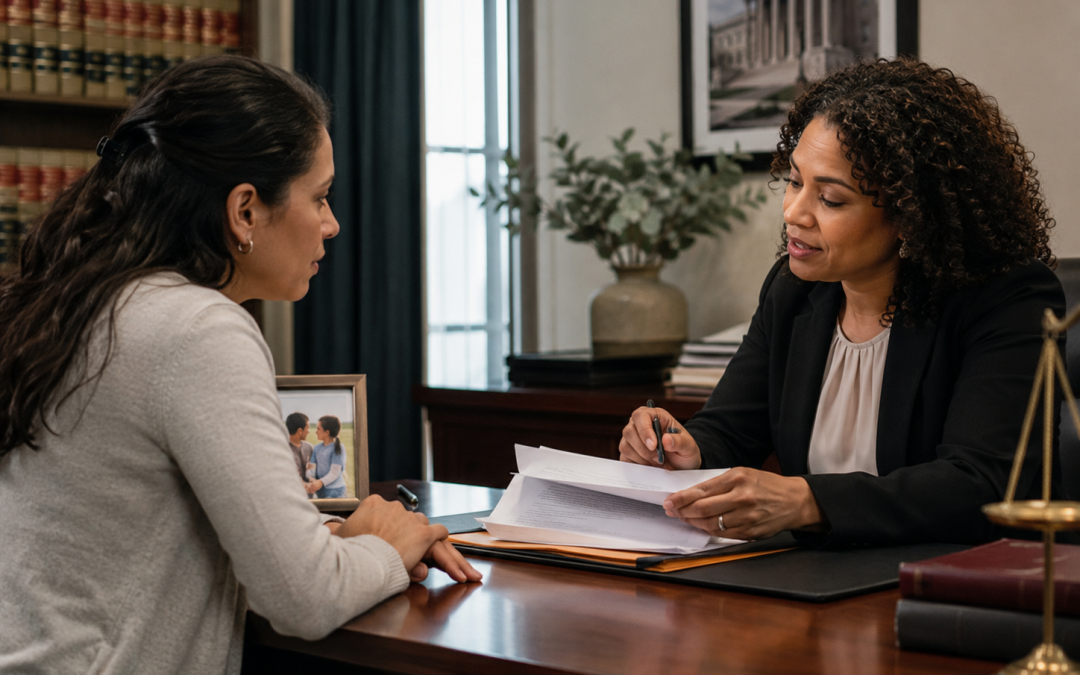
California family courts do not usually appoint free attorneys for parents in child custody cases. A parent may represent themselves or hire a private attorney.
A court can, however, appoint an attorney for the child in some custody or visitation cases. This attorney is often called minor’s counsel. The attorney represents the child’s best interests, not either parent.
Can a Parent Get a Court-Appointed Lawyer for Child Custody?
In most California custody disputes, a judge cannot appoint an attorney to represent a parent for free. This differs from some criminal cases, where an indigent defendant may have a right to appointed counsel.
Family court custody cases are civil matters. A parent may still have other options if private legal fees are difficult to afford.
Those options may include:
- Requesting attorney’s fees from the other parent
- Applying for a court fee waiver
- Using court self-help services
- Seeking nonprofit or legal aid support
- Hiring an attorney for limited-scope representation
A parent facing divorce-related attorney fee concerns may also review Her Lawyer’s guide on whether a spouse may have to pay for a divorce lawyer.
When Can a Court Appoint an Attorney for the Child?
A California court may appoint private counsel to represent a child’s interests in a custody or visitation proceeding. The court may do this when appointment would serve the child’s best interests under Family Code Section 3150.
Minor’s counsel does not represent either parent. The attorney’s role is to gather relevant evidence and present information about the child’s best interests.
Under Family Code Section 3151, minor’s counsel may interview the child, review records, speak with care providers, and participate in hearings. Minor’s counsel may also present the child’s wishes when appropriate.
A judge may appoint minor’s counsel in cases involving serious conflict, safety concerns, allegations of abuse, or complex custody issues. Appointment is not automatic.
Can One Parent Ask the Other Parent to Pay Attorney’s Fees?
A parent may request attorney’s fees in some California family law cases. This is not the same as receiving a court-appointed attorney.
California courts may order one party to help pay the other party’s attorney’s fees when needed to ensure access to legal representation. Family Code Section 2030 requires courts to consider whether one party lacks access to funds and whether the other party can pay.
The court may also consider whether the amount requested is just and reasonable under Family Code Section 2032. The judge reviews each party’s income, needs, and financial circumstances.
A parent requesting fees may use Form FL-319, the Request for Attorney’s Fees and Costs Attachment. The request often requires an Income and Expense Declaration and supporting facts.
Can Bad Faith Affect Attorney’s Fees?
A court may order attorney’s fees as a sanction when a party’s conduct increases litigation costs. Family Code Section 271 allows sanctions when conduct frustrates settlement or cooperation.
This type of fee award does not require financial need. However, the court must consider the parties’ financial circumstances. The sanction also cannot create an unreasonable financial burden.
Examples may include refusing to cooperate, causing unnecessary delays, or making the case more expensive without a reasonable basis.
Free or Low-Cost Help for Child Custody Cases
A parent who cannot afford a custody attorney may still have access to legal information and procedural support. California Courts offers court-based self-help services, including family law facilitator programs in many counties.
A fee waiver may also help reduce court costs. California Courts explains how to ask for a fee waiver when a person cannot afford filing fees.
Some parents may qualify for free or low-cost legal aid through nonprofit organizations or pro bono programs. Eligibility often depends on income, location, and case type.
Her Lawyer also has information about free child custody lawyers for mothers in California and when lower-cost custody help may be available.
Is an Attorney Required in a California Custody Case?
California does not require a parent to hire an attorney for child custody. A parent may appear in court without legal representation.
However, custody cases can affect parenting time, decision-making authority, relocation, safety protections, and child support. Legal representation may help when the case involves conflict, domestic violence, substance abuse, relocation, or complex evidence.
Her Lawyer’s California child custody attorneys assist parents with custody disputes, parenting plans, and related family law issues.
FAQs About Court-Appointed Attorneys for Child Custody
Does California appoint free lawyers for parents in custody cases?
Usually no. California family courts generally do not appoint free attorneys for parents in ordinary custody disputes.
Can the court appoint a lawyer for the child?
Yes. A judge may appoint minor’s counsel when representation would serve the child’s best interests.
Is minor’s counsel the same as a parent’s lawyer?
No. Minor’s counsel represents the child’s interests. The attorney does not represent either parent.
Can a parent ask the other parent to pay attorney’s fees?
Yes. A parent may request attorney’s fees when California law allows it. The court reviews income, need, and ability to pay.
Legal Help With California Child Custody
A custody case can become stressful when one parent cannot afford representation or when the child’s interests need separate attention. Attorney’s fees, fee waivers, legal aid, and minor’s counsel may each play different roles.
Contact Her Lawyer to discuss a California child custody matter and the options available for legal representation.